

Let’s get something out of the way first: You don’t need a liver cleanse in the way you think you do.
Your liver does a ton of things:
- Filtering your blood
- Processing nutrients, medications, and toxins
- Packaging cholesterol
- Storing glucose for later
- Breaking down what your body doesn’t need
Your liver has been doing this around the clock since before you were born without a single lemon-cayenne ginger shot.
Nobody markets that because there’s nothing to sell you.
But the cleanse industry is right in one sense: your liver responds to what you eat. Now, you just can’t detox your liver in 3 days with a supplement. You can absolutely change its health in three months though.
That’s what this post is about. What a liver health diet truly looks like, which foods and nutrients are worth focusing on, and what is working against you (and probably your bank account).
Why your liver deserves more attention than it gets
The liver only weighs about 1.2-1.5kg (2.64 to 3.3lbs, which is about the weight of an iron) , but it uses around 200 calories per kilogram (1 kilogram equals 2.2 pounds).
To put that into perspective, your muscles use around 13 calories for every kilogram of muscle you have. This means your liver burns close to what all your muscles burn even though your liver is small in comparison.
So it’s fair to say the liver is a very metabolically active organ, making it quite central to your metabolic health.
Now what happens when it’s not in tip-top shape because of our diet and lifestyle? We can end up with the most common liver problem: a fatty liver (officially called metabolic dysfunction-associated steatotic liver disease or MASLD).
Early signs of fatty liver
The problem with catching fatty liver is that there aren’t strong early signs. You might be tired, generally feel unwell or have some discomfort in your liver area. But those symptoms get mistaken for a lot of other issues. And some of those other issues like stress, lack of exercise, gallstones might also be going on.
That point isn’t to scare you though. It’s just pointing out that it’s not easy to catch fatty liver early because the signs (if any) are subtle.
But when we do catch fatty liver, it’s usually starts with your blood work. Your liver enzymes and lipid panel might come back elevated. You then need imaging (like abdominal ultrasound or CT) to see the fat in your liver.
After your labs and imaging confirm you have a fatty liver, your doctor probably tells you to “eat healthy and exercise”. Which is great.
But you don’t know what to do with that information. And that’s when you might want your doctor to refer you to a dietitian.
Because the great news is that your liver is quite responsive to dietary and lifestyle changes. And if you catch your liver dysfunction before it becomes cirrhotic (late stage liver disease with scarring in place of your healthy tissue), you can reverse it.
Losing 7 to 10% of body weight can meaningfully reduce that fat in your liver and inflammation. And even small improvements in food quality can improve your liver enzymes within a few months.
Fatty liver and insulin resistance: they’re a cycle.
Liver fat and insulin resistance feed each other. A fattier liver responds worse to insulin, which pushes blood sugar and insulin levels up. This then tells the liver to store even more fat. And the cycle continues (learn about an insulin resistance diet here).
Break the cycle and the whole system improves, which is why the people often see their liver, insulin resistance, and triglycerides improve together.
Now, your liver isn’t holding a grudge if you have some room to improve your diet and lifestyle. It’s just ready to respond to your next step.
A liver health diet isn’t a special diet
There is research supporting specific diets like the Mediterranean diet, New Nordic diet and even a Keto diet (at least in the short term) for liver health…
But it’s not really about any one food you need to eat. It’s about the food types and eating patterns in these diets.
The research is consistent in this conclusion no matter what diet you’re looking at: eat more whole foods and enough protein (1.2-1.6g/kg is plenty). Have less refined carbs and added sugar, and limit alcohol.
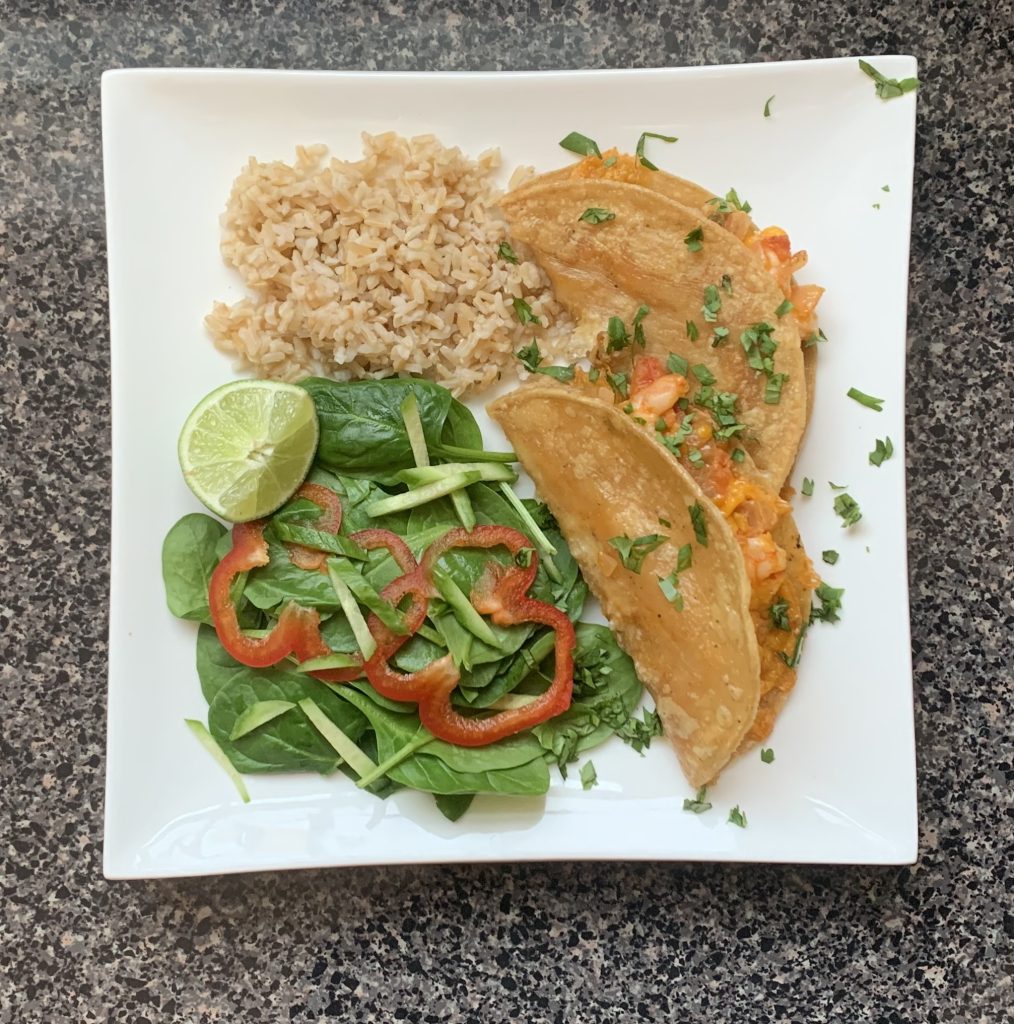
Which honestly, most of us already know. So that means the real question isn’t really “what should I eat for my liver health?”
It’s more “how do I actually eat healthy on a Tuesday when I’m tired and just want take out?”
That’s a skills question. And it’s the part a lot of liver health article skip. For the record, a liver-supporting day doesn’t look exotic. It looks like:
- Black coffee in the morning. Eggs and plain greek yogurt with nuts and fruit for breakfast
- A lunch with protein and non-starchy veggies like leafy greens, zucchini, or tomatoes
- Dinner that has a fatty fish like salmon or sardines, chicken, or lean beef with vegetables and a lentil rice mix or half a sweet potato
- Something sparkling and unsweetened when you’d normally reach for soda or juice
Nothing on your grocery list needs specialty store, your entire Sunday for meal prep, or willpower you don’t have at 6pm.
Foods that do the real work for your liver health
Coffee. Genuinely one of the best-studied foods in liver research. Regular coffee drinkers consistently show lower liver enzymes and lower rates of scarring, with the benefit showing up around 2 to 3 cups a day. Decaf counts. The skill: this only helps if it’s mostly coffee. A 400-calorie blended drink is a dessert with one liver-friendly ingredient in it.

Fiber, added to what you already eat. Fiber feeds your gut bacteria, slows glucose absorption, and shrinks the flood of energy your liver has to process at once. Most adults get about half of what they need. The skill: don’t overhaul anything. Add one fiber source to meals you already make. Beans in the chili. Berries on the yogurt. An apple with the lunch you already pack.
Enough protein, spread through the day. Protein preserves muscle, and muscle is where a huge share of your glucose gets used instead of being sent back to your liver for storage. Skimp on protein while eating less and you lose muscle, which makes the whole metabolic picture worse. The skill: pick each meal’s protein first, then build the rest of the plate around it.
Fatty fish. Salmon, sardines, mackerel, trout. The omega-3s in fish are linked with lower liver fat. The skill: two servings a week, and canned fish counts. Nobody’s liver checks whether the salmon came from a fillet or a can.
Better carbs, not zero carbs. Your liver doesn’t need you to fear carbohydrates. It needs fewer refined ones. Whole grains, oats, potatoes with the skin on, fruit: all fine. The skill: swap, don’t subtract. White rice becomes a rice-and-lentil mix. Sugary cereal becomes oats with berries. You’re upgrading quality, not declaring war on an entire macronutrient.
But what about carnivore diet for liver health?
When you’re eating a ton of meat, animal fat, and no carbs, your body is going to shift what it metabolizes for energy.
Usually it starts with carbs and then shifts to fat. But on a carnivore diet, it’s going to metabolize fat for energy. So you’ve got less overall glucose for your body to manage because you’re not eating glucose. Any glucose your body needs (and it does need glucose) comes from protein and fats being converted into glucose (a process called gluconeogenesis).
The improved insulin sensitivity is likely because of the weight loss people experience when they switch to carnivore.
The reality is that we don’t have any long-term data to support the carnivore diet is healthy and sustainable long-term. And there are a lot of questions around how it affects long term heart health.
Don’t let anyone fool you, we are all just guessing at the impact right now. Including the people who claim they’ve been carnivore for 5+ years with no health problems because truthfully, we won’t know the impact until we have long-term data.
To clarify, I professionally am not recommending a carnivore diet to anyone. And personally, I think it’s a pretty high maintenance diet.
Your body and liver are resilient and based on the evidence we do have, your liver doesn’t mind you enjoying that slice of pie at the family party as long as you follow a balanced eating pattern most of the time.
The micronutrients your liver actually uses
These are not supplements you need to go buy. You can absolutely improve your liver health with food and more physical activity.
This list is just nutrients worth knowing so you can check whether your current eating already covers them. (Spoiler: if you eat a wide variety of foods, you’re probably fine!)
Choline. The one almost nobody has heard of and almost everybody should. But it’s not a common deficiency unless you have a restrictive diet. Choline helps your liver package fat and ship it out. Without enough, fat starts accumulating in the liver. Best sources: egg yolks, meat, fish, soybeans. If you rarely eat eggs and don’t eat much meat, your intake deserves an honest look.
Vitamin E. High-dose vitamin E has been used in clinical trials for fatty liver with real results, but those are prescription-level doses with real tradeoffs, decided with a doctor. Not a DIY project. From food, though? All upside. Nuts, seeds, olive oil, avocado.
Vitamin D. Low vitamin D keeps showing up in people with liver fat. Whether it’s a cause, a consequence, or just along for the ride is still being worked out. Given that most of us run low anyway (hello, Chicago winters), it’s worth getting your level checked instead of guessing.
Zinc and selenium. Both are part of your liver’s antioxidant defense system. Both are easy to cover with food: meat, seafood, beans, nuts. Two Brazil nuts covers a full day of selenium, which is the closest thing nutrition has to a cheat code. But most people are not deficient in selenium so this is not a nutrient I’d worry too much about.
B vitamins, especially folate and B12. These run alongside choline in the processing reactions your liver performs all day. Leafy greens, legumes, eggs, meat.
Notice the pattern? The same foods keep repeating. Eggs, fish, beans, nuts, vegetables. You don’t need a spreadsheet tracking six nutrients. You need a handful of foods showing up regularly.
What stresses your liver out
Liquid sugar, more than any other single thing. Fructose gets processed almost entirely by your liver, and when it arrives fast (soda, juice, sweetened coffee drinks), your liver converts the overflow directly into fat. This is the most direct diet-to-liver-fat pipeline we know of. The skill: target drinks before food. Dropping one daily sweetened drink does more for your liver than most food swaps combined.
Alcohol: The truth is that alcohol does not improve your health. Alcohol is processed by your liver, it damages liver cells directly at higher intakes, and if you already have liver fat, it accelerates the problem. If your enzymes are elevated, cutting back on alcohol is the fastest lever you have. If they’re normal, less is still better for this particular organ. You’re an adult. That’s the data.
An eating pattern built on ultra-processed food: Not because any single packaged food is poison. Because a pattern built on them tends to be low in fiber, low in the micronutrients above, and high in refined carbs and added sugar, all at the same time. (If you want a fast way to spot those on a package, I broke down exactly which label numbers matter for metabolic health).
Liver supplements (the irony of the year): Herbal and dietary supplements are now a documented cause of liver injury, including some products marketed for “liver support.” Green tea extract and high-dose turmeric supplements have both been linked to liver damage. The turmeric in your curry is fine. The megadose capsule promising to detox you is the thing your liver may actually need protecting from.
Read that again. The product sold to clean your liver can be the thing that hurts it.
But there are some general, non-liver specific supplements that can help you fill gaps in your nutrition. I am not anti-supplement. I’m against wasting money on supplements you don’t really need and have questionable effectiveness.
When a supplement could make sense
Supplements remind me a lot of bottled water. We have the impression that bottled water is better than tap water. But then we found out some companies were straight up packaging tap water.
Supplements are the same. Some companies care about quality. Others source the cheapest (and often low quality) ingredients and sell it to you at a premium.
That being said, there are times where a supplement makes sense.
Resistant Starch Type 2
This type of starch has evidence supporting it’s benefit for weight loss, which overall helps with improving insulin resistance and liver health. A 2024 study looked at resistant starch and it’s effect on weight loss by reshaping the gut microbiota.
This study had a small sample size (37 people) and their BMI had to be 24kg m2 or greater, and/or their waist circumference had to be 80cm or greater for women and 85cm or more for men.
And the study found that 40g of resistant starch for 8 weeks helped participants lose on average 2.8kg and improved their insulin resistance. Participants divided this 40g into 2 doses and took 20g about 10-15 minutes before a meal. And 3 meals per day were provided to participants.
That’s all great but applying it might be hard. 40g is a lot and you might need to build up to that amount. You’re also responsible for cooking/prepping your own meals which could change how effective this resistant starch is. And natural resistant starch is found in raw or unripe foods like raw potatoes or green bananas. I don’t want to eat raw potatoes and I bet neither do you.
But if you wanted to try a supplement, this would be one to try.
Liver health diet FAQ
How do I clean my liver?
You don’t, and you don’t need to. Your liver and kidneys clear waste from your body continuously. That’s their entire job description. No cleanse, detox tea, or juice protocol has been shown to remove anything, and some have caused real liver injury (see the supplement section above). What genuinely lightens your liver’s workload: less alcohol, less liquid sugar, more fiber, and gradual weight loss if you carry extra liver fat. Slower than a three-day cleanse. Also real.
Can fatty liver be reversed?
In its early stages, yes. Liver fat responds to weight loss, better food quality, and less alcohol, and losing 7 to 10% of body weight can significantly reduce liver fat and inflammation. Once scarring becomes advanced, it gets much harder. Which is exactly why “mildly elevated enzymes” deserves action, not just annual monitoring.
Is coffee good for your liver?
Yes, and the research here is unusually consistent. Coffee drinkers show lower liver enzymes and lower rates of liver scarring, with benefits appearing around 2 to 3 cups daily. Decaf counts. The fine print: coffee, not a sugar delivery system that contains some coffee.
What are signs of an unhealthy liver?
Usually? Nothing. Early liver disease is almost always silent, which is what makes it sneaky. By the time symptoms like yellowing skin, swelling, or dark urine appear, the disease is advanced. Don’t wait for signs. A comprehensive metabolic panel at your annual physical includes the liver enzymes that flag problems early.
How long does it take to improve liver health?
Faster than you’d think. Liver enzymes can improve within weeks of cutting alcohol or sweetened drinks. Measurable drops in liver fat show up in studies within 8 to 12 weeks of consistent changes. Full reversal of early fatty liver typically takes months, not years. The catch is the word consistent. A three-day cleanse followed by a return to old habits does nothing. Three months of ordinary, repeatable changes does a lot.
The bottom line
Your liver doesn’t need a cleanse, a protocol, or a liver-specific supplement stack.
It needs the coffee you were probably drinking anyway. Fiber added to meals you already make. Protein at every meal. Fish twice a week. Fewer (or no) sweetened drinks. Alcohol handled like an adult (not a frat bro).
The same skills that fix your blood sugar and your cholesterol fix this too. That’s not a coincidence. That’s your metabolism being one connected system with your liver sitting at the center of it.

 The Metabolic Reset Diet: What It Gets Right, What It Gets Wrong, and What Actually Works