
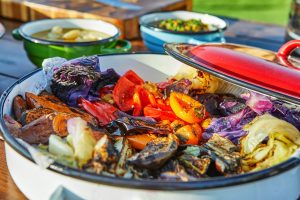
Vegetables are great because they give us a lot of micronutrients, energy and they help us maintain or lose weight with healthy eating.
But the challenge isn’t knowing we should eat them. The problem is how to eat more veggies. Because it can be hard to make vegetables taste good.
And I don’t know anyone that wants to fill half of their plate with bland, boiled broccoli.
So here are 10 ways to make some of the best tasting vegetables you’ve ever had.
#1. Season Your Vegetables to Life
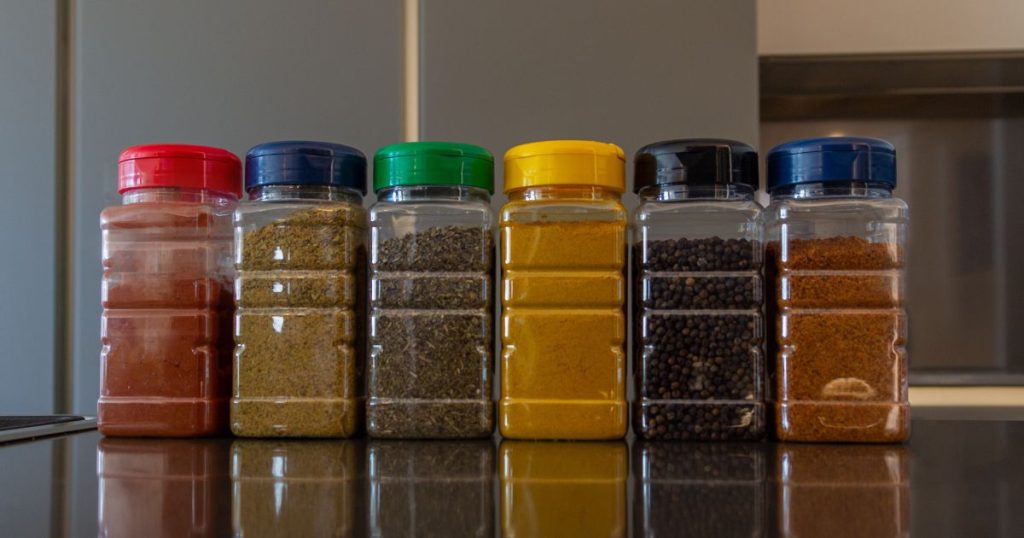
A little salt and pepper could do the trick…but sometimes you need more. So try out a bold flavor. Because bolder = more taste. And that’s one way to make your vegetables taste better.
| Spice | What it goes with | Try it out |
|---|---|---|
| Garlic | More like what doesn’t to go with? Garlic goes well with any vegetable and any way you cook. | In a frying pan, heat oil over medium heat. Add garlic (diced, sliced or dried) and a vegetable broccoli, green peas, spinach or zucchini with garlic. Add a little salt and pepper |
| Chili Powder | Corn Carrots Diced potatoes Bell peppers Zucchini | Pre-heat oven to 350’F. Put some corn (Frozen, canned or fresh) on a baking sheet. Drizzle with olive oil and sprinkle chili powder on top. Mix and bake until your corn is crunchy. |
| Sumac (often used in Middle Eastern dishes, it gives a tangy almost lemony flavor) | Eggplant Tomatoes Bell peppers Onions Carrots Beets | Sumac goes well with grilled eggplant or tomatoes.Grill your veggies and then top them with sumac. |
| Lemon or lime juice | Bell peppers Corn | Squeeze fresh lemon or lime juice over steamed or roasted vegetables right before you serve them. |
| Ginger | Broccoli Broccolini Bell peppers Green beans Mushrooms | Sauté vegetables in a hot pan with freshly grated ginger and a bit of oil for an aromatic dish. |
| Cinnamon | Sweet potatoes Onions Carrots | Sprinkle some cinnamon on roasted sweet potatoes or onions for a warm, sweet flavor. |
Tips for Seasoning Your Vegetables
Start Simple: Pick 1-2 new seasonings and try them out with some vegetables. See how you like them.
Experiment: You might get some awful combos (I certainly have). But you might also find that you really like cinnamon and pepper (for example) more than you thought.
Balance flavors: Balance your stronger spices (like ginger or garlic) with milder ones (like black pepper).
Taste as You Go: Season your veggies gradually and taste them before you add more seasoning.
#2. Make Your Vegetables Crispy
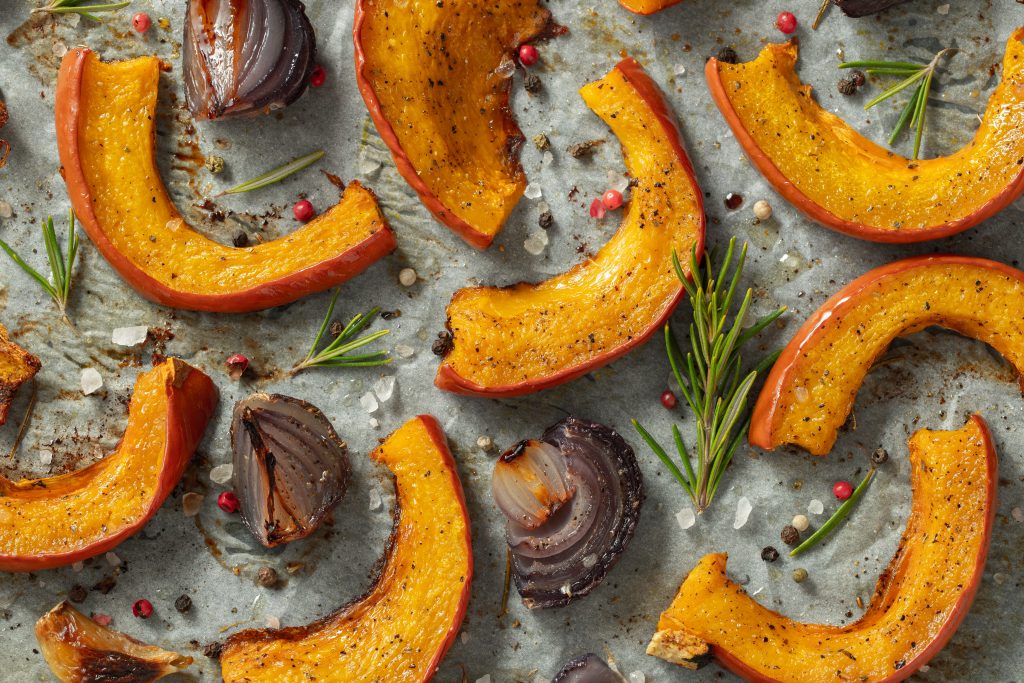
Sometimes people think they don’t like veggies…but they really just don’t like the texture. And let’s face it– crispy veggies are way more exciting than boiled mushy ones.
There’s just something about a little crunch that makes eating vegetables satisfying. So, if you’re ready to take your veggies from limp to crispy perfection, here’s how to get that crave-worthy texture.
| Cooking Method | Veggies to Try | Try it Out |
|---|---|---|
| Roasting | Broccoli Brussels sprouts Sweet potatoes Carrots Squash | Preheat your oven to 425°F. Toss veggies with olive oil, salt, pepper, and garlic. Then spread them out in a single layer on a baking sheet. Roast for 20-30 minutes until golden and crispy around the edges. |
| Air fryer | Zucchini Cauliflower Green beans Bell peppers | Set air fryer to 400°F. Lightly coat veggies with oil and seasonings, then place in the air fryer basket in a single layer. Cook for 10-15 minutes, shaking halfway through. |
| Pan fry | Mushrooms Potatoes Zucchini Snap peas | Heat a little oil in a skillet over medium-high heat. Add veggies and cook, stirring occasionally, until they’re golden brown and crispy on the outside. Season with garlic |
| Bread and bake | Zucchini slices Cauliflower florets Green beans Eggplant | Bread and bake your veggies like you would breaded chicken. Dip your veggies in a beaten egg, coat the veggie in breadcrumbs. Put all your vegetables on a baking sheet and bake at 400°F for 15-20 minutes until golden and crispy. |
Tips for the Perfect Crunch
- Avoid Overcrowding: When roasting or air frying, give each piece of veggie room to crisp up. If they’re too close, they’ll steam instead of roast.
- High Heat is Your Friend: Roasting and air frying at high heat (400°F or more) helps develop a nice crust on the outside.
- Use a Bit of Oil: Don’t skip the oil! It’s essential for crispiness. Lightly coat the veggies to make sure every piece gets a touch.
- Try Adding Texture: For even more crunch, add a sprinkle of breadcrumbs or crushed nuts before baking or roasting.
Making your veggies crispy can be the difference between “eh” and “amazing.” So, grab your favorite veggies and try one of these methods for a texture that’ll keep you coming back for more.
Veggie Fries
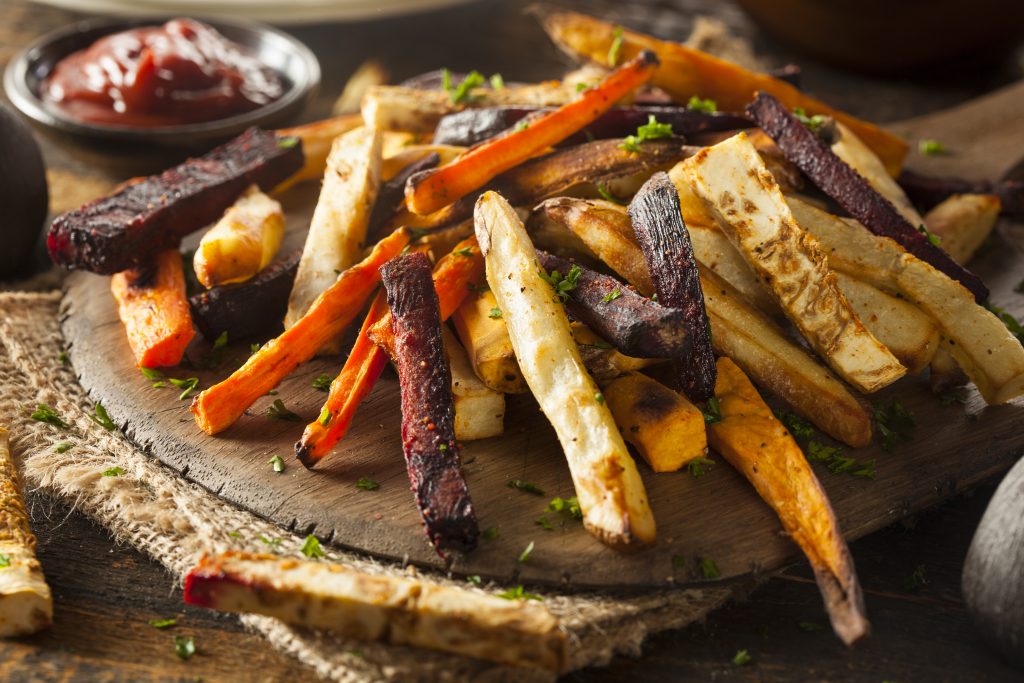
You can even turn veggies into veggie fries. But before y’all think this is a green light on french fries all day every day…
French fries are deep fried. You do get nutrition from them, but you also get a lot of salt and saturated fat from them.
Which is fine in moderation. But too much can raise your blood pressure and cholesterol. And that can lead to heart problems (which you don’t have time for).
Now, back to veggie fries. You can crisp them up in a healthier way using the oven or airfryer.
- Choose Your Veggies: Try potatoes, sweet potatoes, zucchini, eggplant, carrots, or even green beans.
- Prep and Season: Cut them into fry-like shapes, lightly coat them in oil, sprinkle with salt or your favorite seasoning, and then spread them out on a baking sheet or in an air fryer basket.
- Bake or Air Fry: Bake at 400°F or air fry at 375°F until they’re golden and crispy.
Veggie fries are great with a meal or as a snack.
GET MY NUTRITION NEWSLETTER
Want More No-Nonsense Nutrition Tips?
Enjoy easy-to-follow nutrition advice from your inbox!
I’ll also send practical tips (and a few Nicolas Cage references). Just add your email to get started.

#3. Toss Your Vegetables into the Main Meal
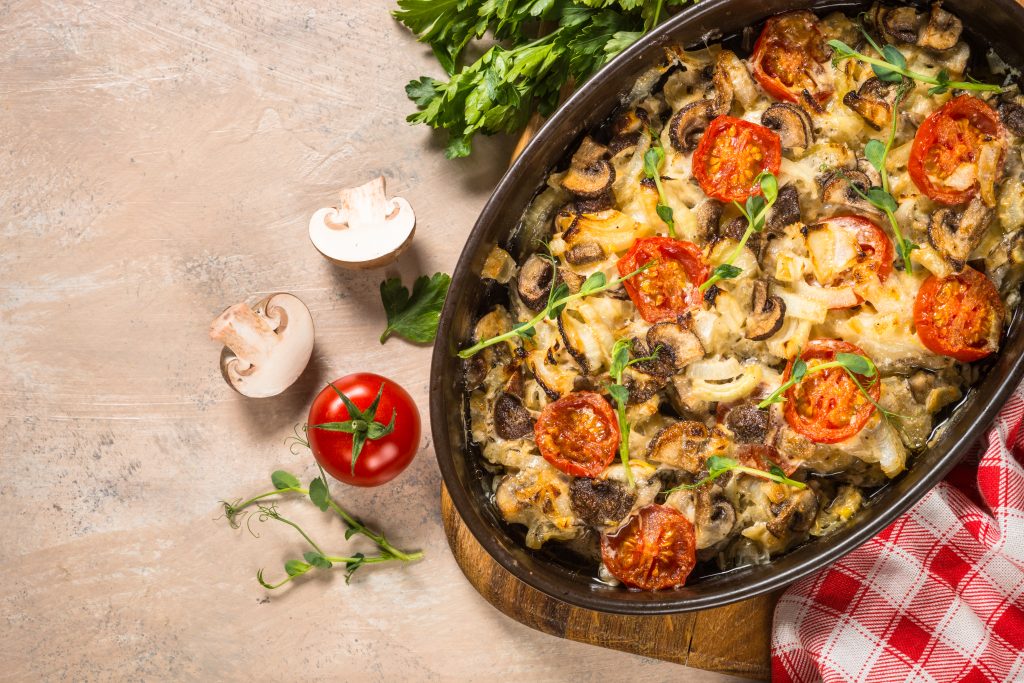
You might not be excited to eat half a plate of veggies. So don’t. Toss your veggies into your main meal (and let them soak up a flavor you already like). This is a low effort way to make a meal more nutritious.
Great recipes to add veggies to:
- Quiche
- Omelettes or frittatas
- Stews
- Soups
- zucchini boats
- Casseroles
- pasta
- Meatloaf/burgers
- Chop up or grate (if you want them less noticeable) your veggies, mix them into your meat, then cook
Here are some easy recipes to help you eat more veggies:
| Main Dish | Try these Veggies | Now Try it Out |
|---|---|---|
| Pasta | Zucchini Bell peppers Spinach Mushrooms Tomatoes Broccoli | Sauté chopped veggies in olive oil with garlic. Then stir into your pasta sauce. |
| Soup/Stew | Carrots Celery Potatoes Onion Kale Corn Beans | Chop your veggies and put them directly to the pot. Simmer until they’re tender. |
| Casserole | Cauliflower Zucchini Spinach Squash (any kind) Potatoes Mushrooms | Chop or shred your veggies. Then mix the vegetables into your casserole and bake. |
| Omlette | Spinach Mushroom Peppers Onions Tomatoes | Sauté veggies, then add them to your eggs. Top with leafy greens for extra nutrition. Add cheese if you want because cheese is delicious. |
Tips for Adding Veggies (so they come out good)
- Chop Them Small: Chopping veggies into bite-sized pieces helps them cook evenly and blend well with the rest of the meal.
- Sauté First for Extra Flavor: Sautéing veggies in a bit of oil with garlic, onions, or spices before adding them to your dish brings out their flavors.
- Don’t Overcook: Keep an eye on your veggies–you want them to stay slightly crisp for texture. If you overcook them, they’ll be mushy and gross.
- Add Greens Last: Add any leafy greens last so they don’t wilt too much.
#4. Use a Dipping Sauce to Make Vegetables Taste Good
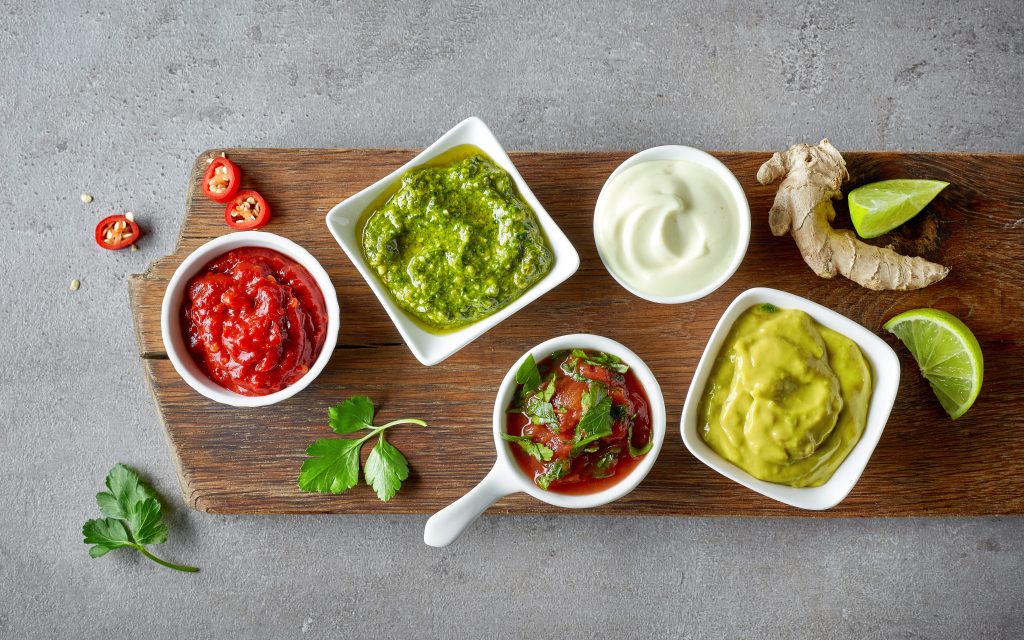
Dipping sauce is an easy way to make your veggies taste good. You can make your own sauce or just store-bought sauce.
Some store-bought sauces can have a lot of salt or added sugar in them, so be mindful of how much sauce you use. Check the nutrition label for the serving size.
| Dipping Sauce | Veggie to Try |
|---|---|
| Hummus | Carrot sticks Bell peppers Cucumber Celery |
| Ranch | Broccoli Cauliflower Snap peas Celery |
| Salsa | Bell peppers Carrots Zucchini |
| Guacamole | Cucumber slices Carrots Bell peppers |
| Buffalo sauce | Carrots Cauliflower |
| Tzatziki | Cucumbers Cherry tomatoes Carrots Bell peppers |
Try out raw or cooked veggies with your dip and see what you like.
#5. Puree Your Veggies into a Sauce
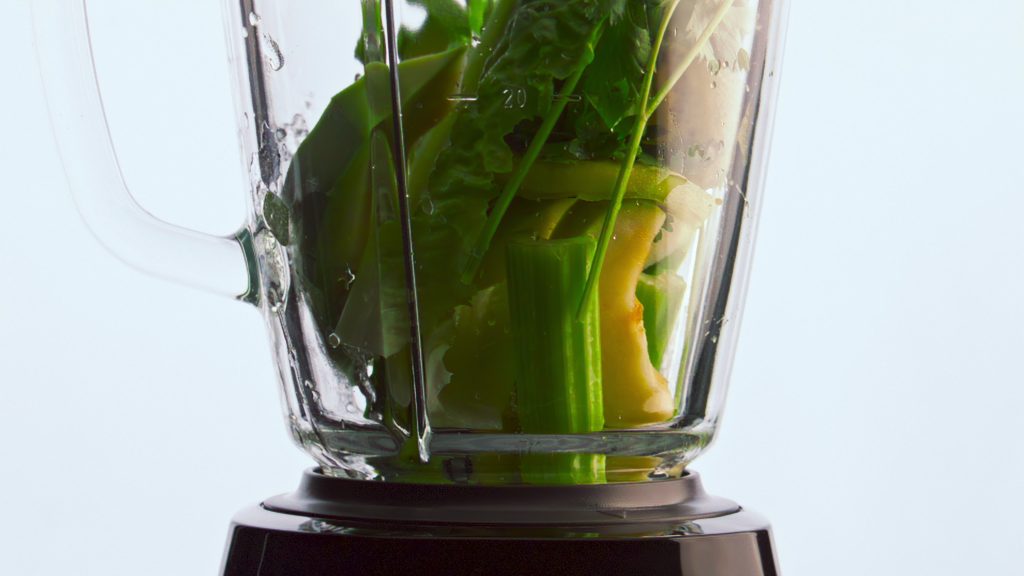
Pureeing vegetables into sauces can be a game-changer, especially for picky eaters. You still get the benefits of eating vegetables (without feeling like you’re eating bland veggies).
You can do this 2 ways:
- Make your own veggie pasta sauce from scratch.
- Blend veggies into your store-bought pasta sauce.
Tips for The Perfect Veggie Sauce
- Cook Veggies Until They’re Soft: Your veggies need to be fork tender–stick a fork in them–if it goes in easily, it’s ready to puree.
- Season Generously: Add seasoning to your veggies when you cook them so your sauce will be flavorful.
- Add a Little Liquid: Add some water, veggie broth or when you blend your vegetables in give your sauce a creamier consistency.
#6. Make a “veggie dip” and Eat with Chips
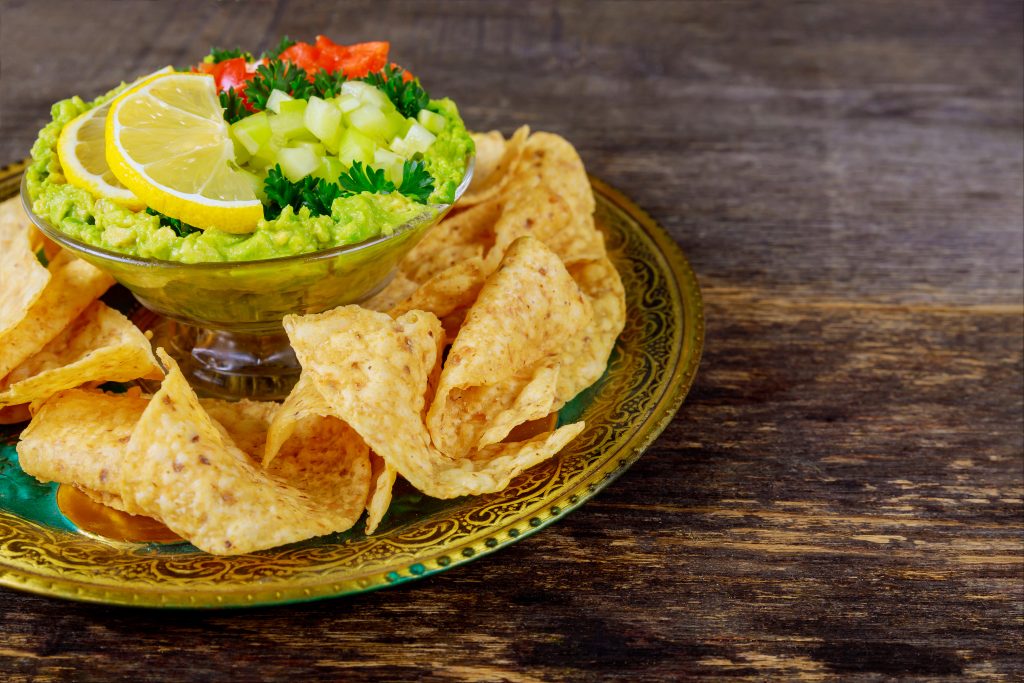
Take your veggies and chop them super fine. Add a dressing like oil and vinegar, or green goddess, season and you have a dip made from veggies.
Tips for Making Chunky Veggie Dips
- Chop Finely: The finer the chop, the easier it is to scoop and eat. Use a sharp knife or food chopper for best results.
- Add flavor: Mix in fresh herbs, citrus juice, cheese, seasonings, dressings or sauces like chimichurri for flavor.
- Let It Marinade: Let your dip sit in the fridge for a bit before serving so the veggies soak up the flavor
- Serve with Crunchy Chips: Eat your veggie dip with chips like tortilla or pita chips. Or eat with crackers.
#7. Grill your Veggies

Grill your vegetables for a smoky, caramelized flavor. Grilled veggies are great as a side dish, salad topper, or even as part of a sandwich, wrap or kebab.
And you can grill on an actual grill or use one of those grill pans for the stove top.
| Veggies | How to Prep Them | Try it Out |
|---|---|---|
| Zucchini Squash | Slice into thick rounds or lengthwise planks, coat lightly with olive oil, salt, and pepper | Grill on medium-high heat for 3-5 minutes per side until grill marks appear. |
| Bell peppers (any color) | Cut into quarters, remove seeds, then drizzle with olive oil | Grill on medium-high heat for 3-5 minutes per side until grill marks appear. |
| Asparagus | Trim woody ends (bottom end), toss with olive oil, salt, and pepper | Grill for 2-4 minutes, turning frequently until tender and slightly charred. |
| Mushrooms (a lot of people choose portobello) | Remove stems, brush mushrooms with olive oil, and season with salt and garlic | Grill cap-side down for 4-5 minutes, then flip and grill another 3-4 minutes. |
| Corn on the Cob | Remove the husk (or buy corn on the cob with the husk). Season and wrap in aluminum foil | Grill for 10-15 minutes, rotating occasionally until kernels are tender. |
Tips for Perfectly Grilled Veggies
- Preheat the Grill: Always start with a hot grill (medium-high heat) to get those beautiful grill marks and a quick sear.
- Coat with Oil: Lightly coat your veggies with oil before grilling to prevent sticking and help them brown nicely.
- Cut Evenly: Slice veggies into even pieces to ensure they cook at the same rate and finish together.
- Use a Grill Basket for Smaller Pieces: For smaller veggies like cherry tomatoes or mushrooms, use a grill basket to keep them from falling through the grates.
- Season After Grilling: A sprinkle of salt, pepper, or fresh herbs right after grilling enhances the flavor even more.
#8. Marinate those Vegetables

We marinate meat to make it taste better…so do the same with vegetables.
Marinating vegetables infuses them with bold flavors and adds an extra layer of depth to each bite. Plus, it’s super easy! Just toss them in a flavorful marinade, let them sit about an hour, and then cook them up.
Marinated vegetables are perfect for grilling, roasting, or even sautéing.
| Marinade | Try these Veggies |
|---|---|
| Balsamic vinegar and herbs | Zucchini Mushroom Bell peppers Cherry tomatoes |
| Soy sauce and ginger | Broccoli Cauliflower Snap peas Carrots Green beans Mushrooms |
| Citrus and Garlic | Asparagus Cauliflower Green beans |
| Olive oil and Lemon | Eggplant Bell peppers Zucchini |
Why Marinating Works
Marinating allows the flavors to deeply penetrate the vegetables, giving you a richer and more intense taste in every bite. This is especially useful for heartier veggies like eggplant or cauliflower, which absorb marinades well. Plus, the acidity in marinades (like lemon juice or vinegar) can slightly soften veggies, making them easier to cook and it gives them a tender texture.
Tips for Marinating Veggies
- Don’t Overdo It: Unlike meat, veggies don’t need hours to marinate. Usually, 15-30 minutes is enough to soak up the flavors.
- Cut Veggies Evenly: Make sure your veggies are cut into similar sizes so they marinate and cook evenly.
- Use a Resealable Bag or Bowl: Toss your veggies in a resealable plastic bag or bowl with a lid, ensuring they’re fully coated in the marinade.
- Pat Dry Before Marinating: Before marinating, pat the veggies dry with a paper towel to avoid excess moisture, especially if you’re grilling. This helps them brown and caramelize better.
- Experiment with Ingredients: Don’t be afraid to try different herbs, spices, or even a splash of hot sauce to find your favorite marinade.
#9. Add Cheese
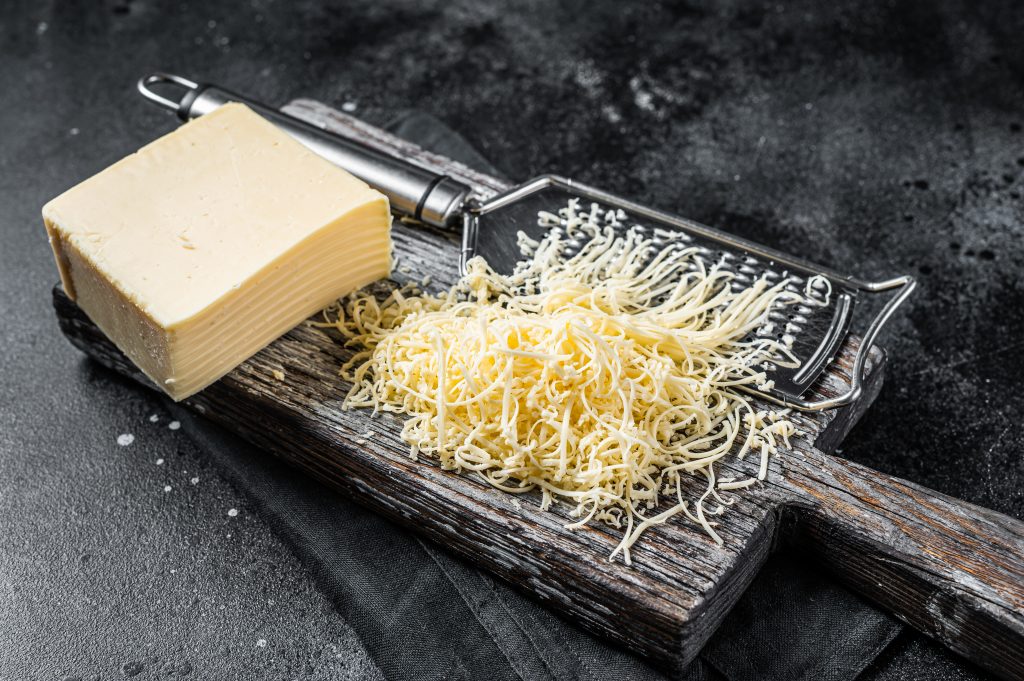
Cheese makes everything delicious. You can sprinkle cheese on top or use it as a sauce. Whether you sprinkle it on top, melt it into a sauce, or bake it until golden, cheese brings a rich, creamy flavor that pairs beautifully with almost any vegetable.
And if you’re lactose intolerant, try nutritional yeast. It has a cheesy flavor that makes you feel like you’re eating cheese. Or choose hard cheeses like parmesan because they have less lactose.
Or take 3 lactase enzyme supplements and eat all the cheese your heart desires.
| Cheese | Veggies | Try it Out |
|---|---|---|
| Parmesan | Broccoli Asparagus Zucchini | Sprinkle grated Parmesan on roasted veggies as soon as they come out of the oven for a salty, nutty finish. |
| Cheddar | Cauliflower Potatoes Bell peppers | Make a quick cheese sauce by melting cheddar with a bit of milk, then drizzle over steamed or baked veggies. |
| Feta | Tomatoes Cucumbers Bell peppers Spinach | Crumble feta over fresh or roasted veggies for a tangy, briny kick. |
| Mozzarella | Eggplant Tomatoes Zucchini | Layer slices of mozzarella on top of veggies, then broil until bubbly and golden. |
| Goat Cheese | Beets Carrots Brussel Sprout | Add a dollop of goat cheese to warm, roasted veggies. Its creamy texture melts slightly, adding richness to every bite. |
Why Cheese Works
Cheese adds a comforting and savory flavor that compliments a vegetable’s flavor…
Or covers it–whatever helps you eat your veggies in a day, right?
Tips for Using Cheese with Veggies
- Add Cheese at the End: To keep cheese from overcooking, sprinkle or add it in the last few minutes of cooking, especially when baking or broiling.
- Go Easy on Strong-Flavored Cheeses: A little bit of a strong cheese, like Parmesan or feta, goes a long way in flavoring the dish.
- Experiment with Melting: Try melting cheese over veggies, either by broiling, baking, or stirring into a sauce. It can completely change the dish!
- Balance with Herbs or Citrus: If you’re adding a lot of cheese, a sprinkle of fresh herbs or a squeeze of lemon can brighten up the dish and balance the richness.
Adding cheese can make even the simplest veggies taste decadent. Whether you go for a sprinkle, a sauce, or a melted topping, cheese transforms veggies into something special.
#10. Mix with Fruit to Make Your Vegetables Sweet

If you’re craving a hint of sweetness, try pairing your veggies with fruit! Mixing fruits and vegetables brings out a natural, balanced sweetness that makes veggies taste more appealing. This combo is perfect for salads, salsas, or even roasted dishes where the flavors can meld together beautifully.
| Fruit | Try these Veggies | Try it Out |
|---|---|---|
| Apple | Carrots Beets Spinach Cabbage | Thinly slice apples and toss with shredded carrots and cabbage for a crunchy, refreshing slaw. Add a light vinaigrette for extra flavor. |
| Pineapple | Bell peppers Zucchini Snap peas Mushrooms | Add pineapple chunks to a veggie stir-fry for a tropical, tangy sweetness that complements savory sauces. |
| Mango | Avocado Onions Bell peppers Cucumber | Dice mango with cucumber, red onion, and bell peppers for a colorful salsa that pairs well with grilled veggies or as a topping for tacos. |
| Berries | Spinach Kale Arugula Brussel sprouts | Add fresh berries to leafy green salads with a sprinkle of nuts or goat cheese for contrast. |
| Orange | Carrots Red onions | Combine orange slices with thinly sliced carrots for a vibrant, refreshing salad that’s perfect for summer. |
Why Mixing with Fruit Works
Fruits bring a natural sweetness and a juicy texture that balance the earthy or bitter notes in vegetables. The acidity in some fruits, like pineapple and berries, also adds a brightness that makes veggies taste lighter and more refreshing. Plus, the colors and textures make the dish more visually appealing. Which can make eating your veggies feel more enjoyable.
Tips for Mixing Fruits and Veggies
- Choose Fresh, Juicy Fruits: Use fresh fruits with a good balance of sweetness and acidity. Juicier fruits can bring moisture to the dish, adding a refreshing element.
- Balance Textures: Pair crunchy veggies like carrots with soft, juicy fruits like oranges or mango for a satisfying bite.
- Add a Light Dressing: A simple vinaigrette or splash of citrus juice ties the flavors together and boosts the natural sweetness.
- Use Herbs for Extra Freshness: Herbs like basil, mint, or cilantro can elevate the flavor, especially in fruit and veggie salsas or salads.
Adding fruit to your veggies gives them a sweet twist. Which might taste better than some boiled carrots on your plate. Whether it’s a salad, salsa, or stir-fry, pairing fruit with your veggies can make the experience more enjoyable.
Takeaway
Getting more vegetables into your meals shouldn’t feel like a chore. With a few small changes, you can make your vegetables taste good.
Now you know:
K
- How to use seasonings, marinades, and dips to bring out the best in your veggies.
- Different cooking methods like grilling, air-frying, and roasting to enhance texture and flavor.
- Creative pairings with fruits, cheeses, and more to make vegetables feel satisfying and fun to eat.
Experimenting with these techniques will open up a world where can vegetables taste good. Like they should.

 How to Maximize the Health Benefits of Congee
